
Language Issues Blog
Exploring ideas, sharing perspectives, and giving ESOL professionals a platform to develop their voice and inspire debate.
About our blog
Language Issues Blog is NATECLA's space for ideas, reflection, and debate across the ESOL sector. It provides a platform for contributors to the Language Issues journal, as well as a welcoming place for new writers to develop their voice, share their experiences, and explore emerging ideas before committing to a more formal publication.
We encourage thought-provoking contributions that reflect the diversity of perspectives within our profession. The views expressed in blog posts are those of the individual authors and do not necessarily represent the views of NATECLA or the Language Issues Editorial Team. Our aim is to stimulate discussion, encourage critical thinking, and foster constructive dialogue across the sector.
Interested in contributing? We'd love to hear from you. To submit a blog post, please complete our submission form.
We also welcome discussion in the comments section. If you feel that a discussion has crossed a personal line or have concerns about any content, please contact NATECLA and we'll be happy to help.
Blog articles
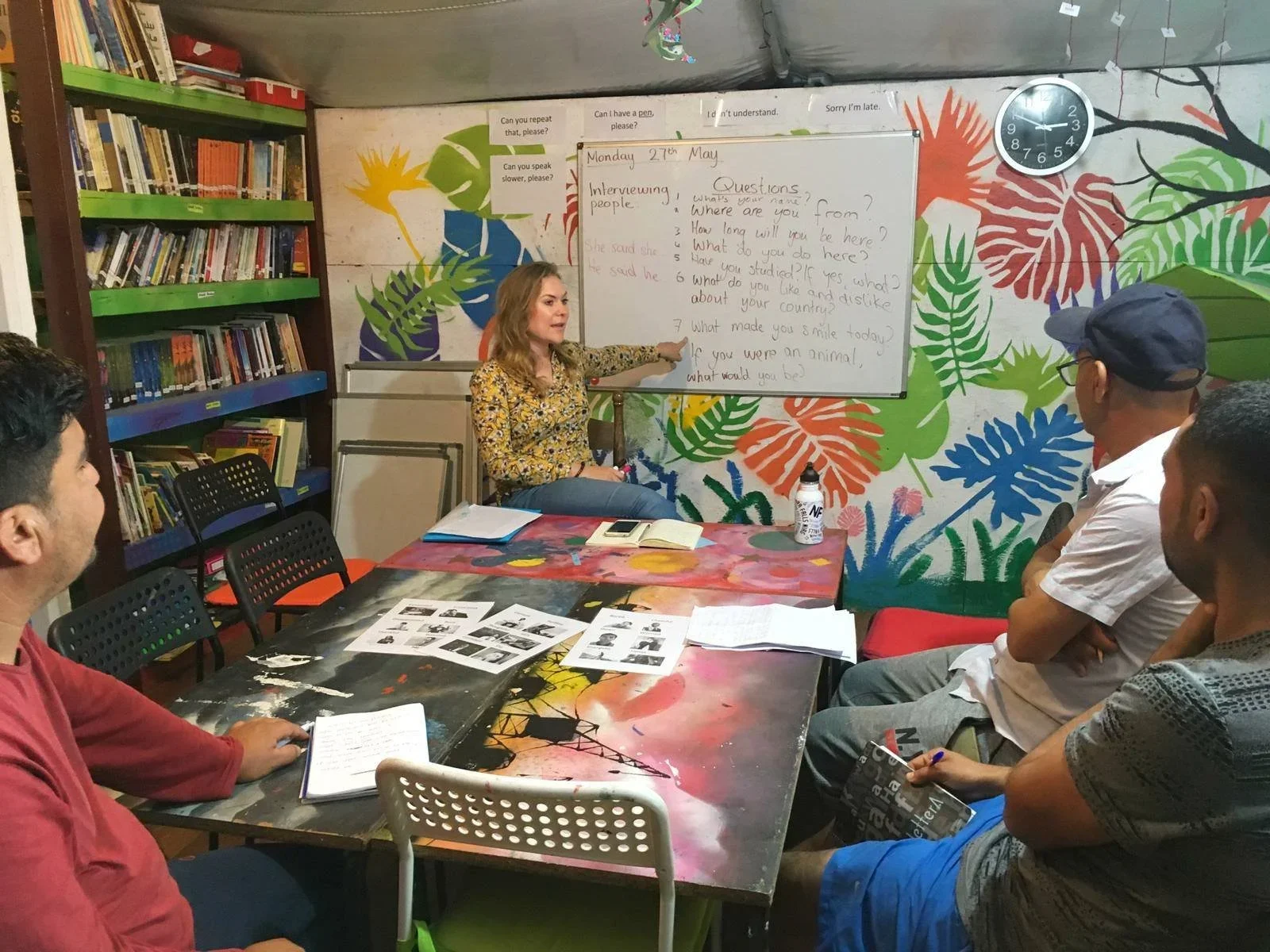
“Teachers are a bridge between learners and the community”: A cross-country comparison of teaching in refugee camp and asylum accommodation contexts
In this conversation, Ally Shepherd (NATECLA Yorkshire & Humber; IATEFL ESOL Matters Assistant Editor) reunites with her former colleagues, Jean and Julia, to discuss their experiences teaching learners from refugee backgrounds in the UK, Greece, Cyprus, and Jordan.

Northern Ireland's Violence Is Not About Refugees. It Is About Inequality, Insecurity and a Politics of Scapegoating
The recent anti-immigrant violence witnessed in parts of Northern Ireland has been widely presented as a response to concerns about asylum seekers, refugees, and immigration. Yet such explanations misunderstand both the nature of the unrest and the deeper social conditions that make these narratives attractive. The violence was not caused by refugees. Rather, it reflects a growing crisis of economic insecurity, social disillusionment, and political alienation that is increasingly being exploited by populist agitators who offer easy answers to complex problems.
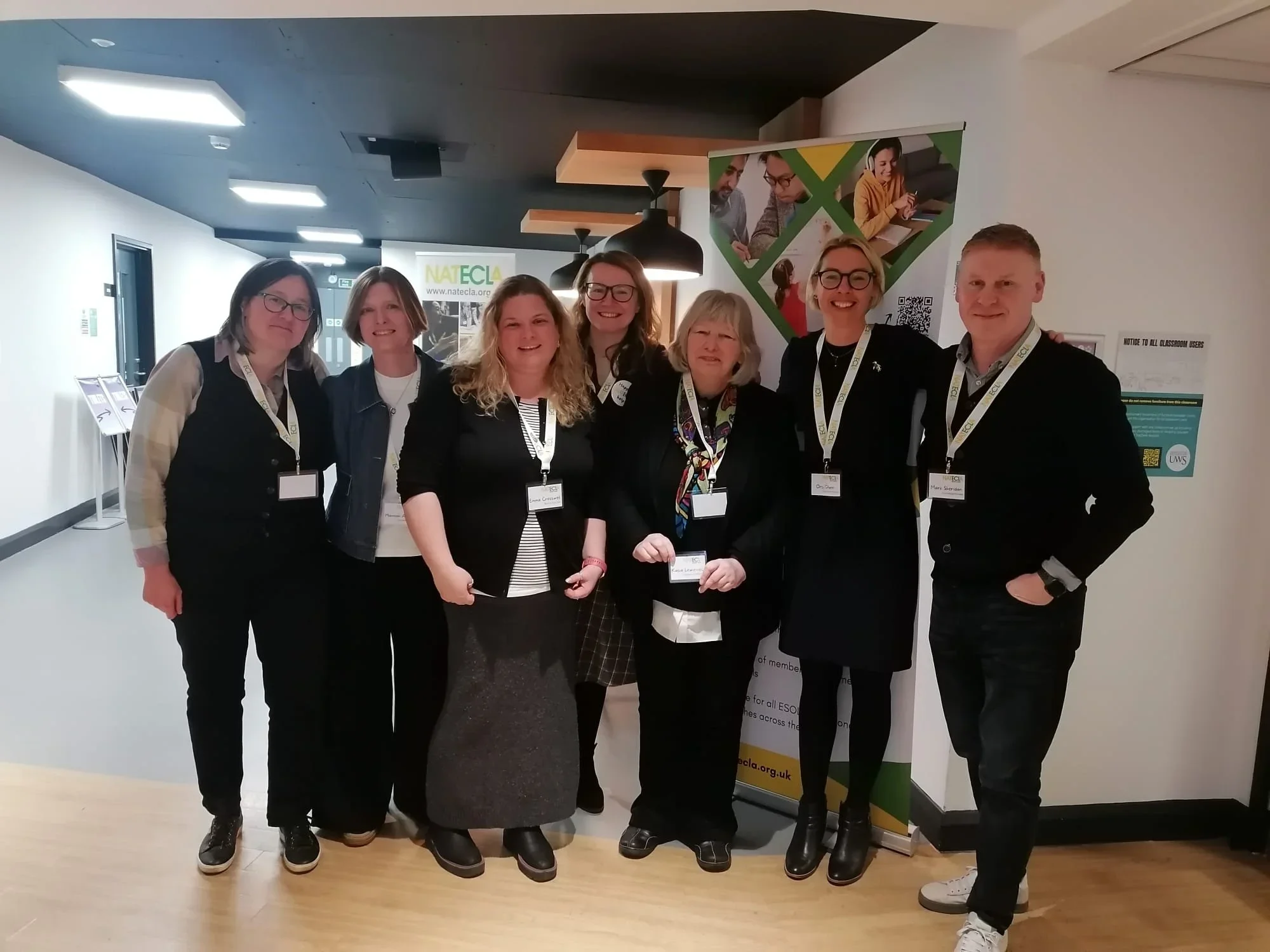
A successful return of the NATECLA Scotland annual conference
Emma Creswell shares reflections from the annual conference organised by the NATECLA Scotland Branch.
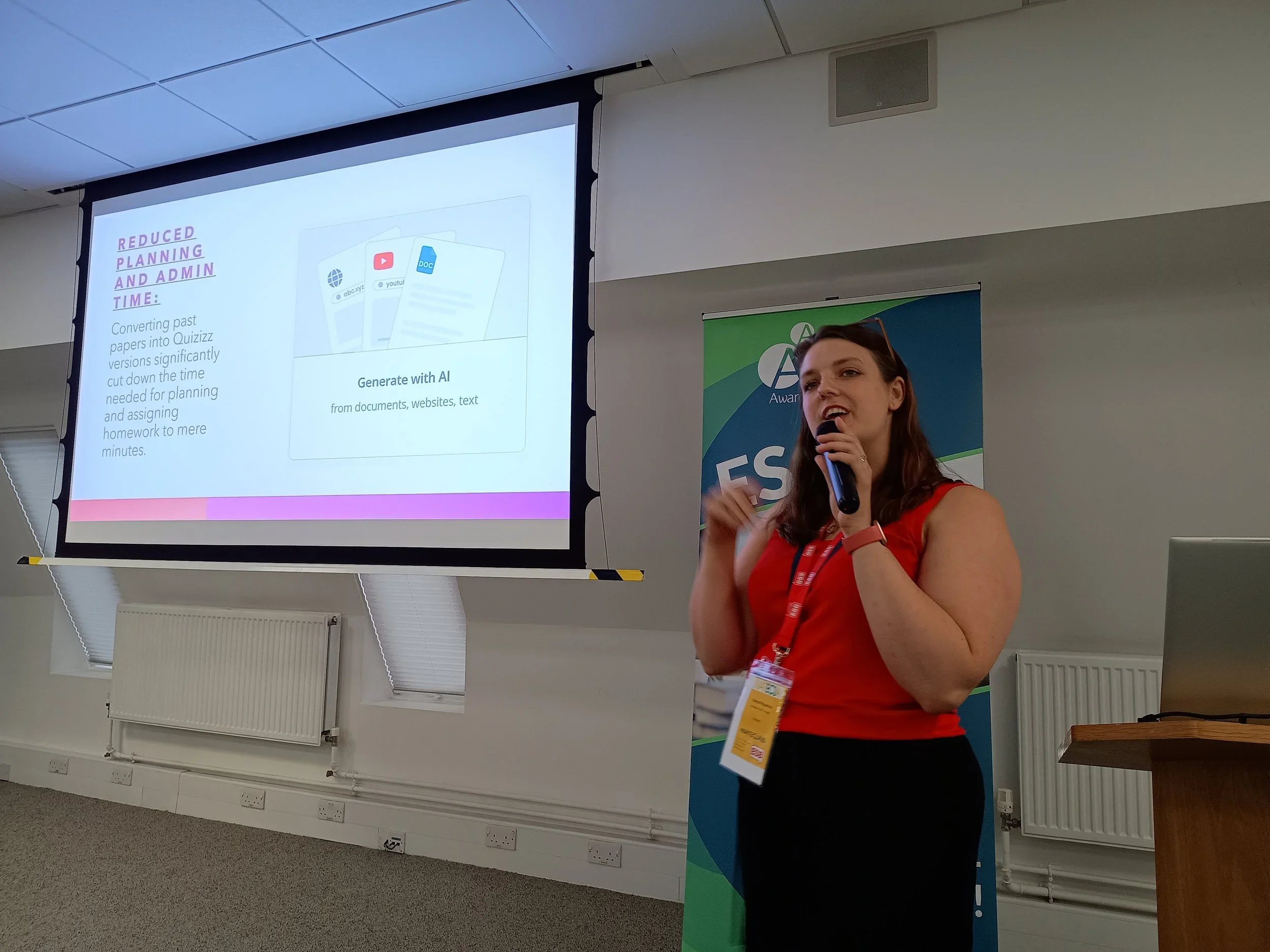
Nerves, Notes, & New ideas: My first TeachMeet
Emma Fitzpatrick, Teaching & Learning Champion, Course Leader and ESOL Lecturer at Hopwood Hall College, Rochdale, shares her experience of presenting for the first time at the NATECLA TeachMeet during the Annual Conference in Birmingham.

Making ESOL learning provision accessible for people experiencing homelessness
How can adult learning providers make ESOL more accessible to people experiencing homelessness? Through Magda’s story, this article explores the barriers learners face and highlights practical ways to provide inclusive, trauma-informed support that helps everyone access and succeed in learning.
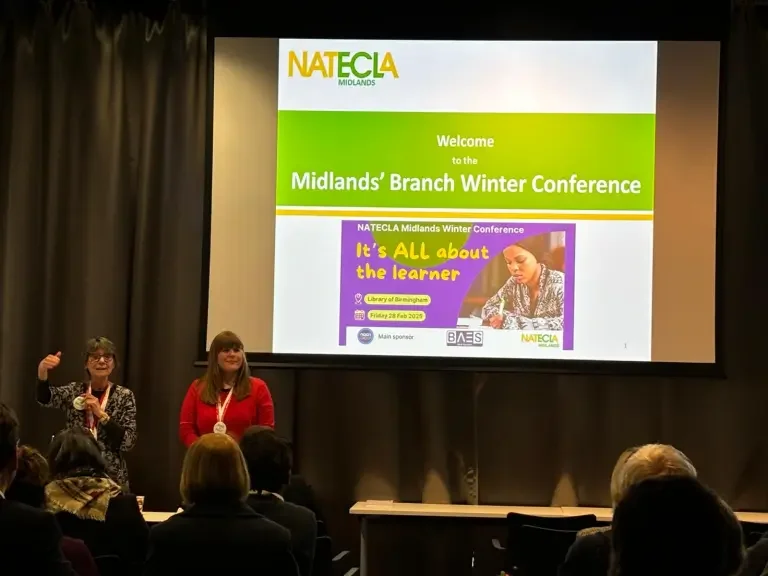
Reflections from the NATECLA Midlands Winter Conference 2025 by Anne Reardon-James
Attending the NATECLA Midlands Winter conference was the start of conference season for me this year. I have been aware of NATECLA as an organisation for many years and recently joined as a member, attending online training workshops which have all been excellent. I was excited to see the Midlands “It’s ALL about the learner” conference advertised as an in-person event, instead of online, and thought it an ideal opportunity to meet new people and refresh my skills.

NATECLA Midlands: It's ALL about the learner - Face-to-Face Winter Conference 2025
The NATECLA Midlands Winter Conference 2025 was a fantastic opportunity for ESOL practitioners to reconnect, learn, and share expertise. The return to a Midlands in-person event was warmly welcomed, and the day was filled with engaging discussions, practical learning, and a strong sense of community.
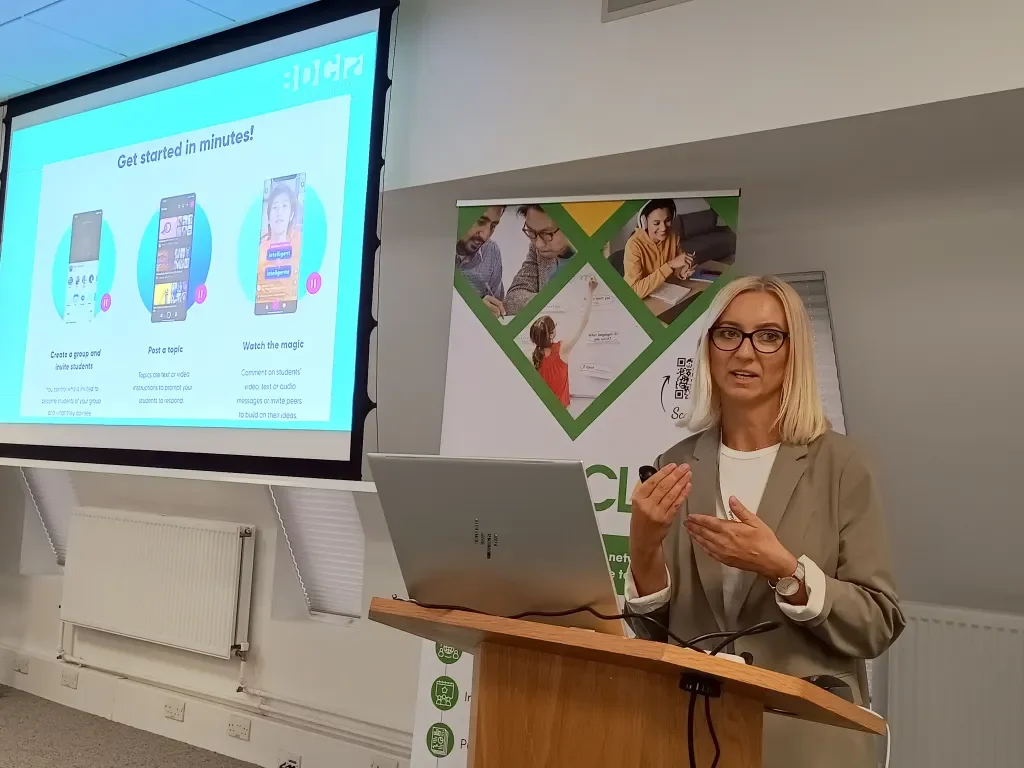
#NATECLA national conference – 49 years old and still going strong!
Read some reflections about NATECLA Annual Conference 2024.
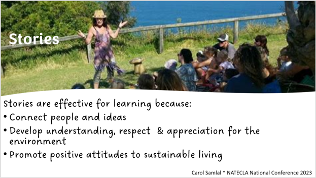
Creating Stories in ESOL – Climate and Sustainability
On Earth Day it seems appropriate (and important) to share something on climate and sustainability issues. Here Carol writes about her workshop at last year’s conference,

Northern Ireland, ESOL provision and ‘(In)Visible Minorities’
The recent unprecedented riots in Dublin and the increase in racist attacks targetting migrant/refugee businesses throughout Northern Ireland (NI) show the rise of the far right and their opportunist stoking of anti-refugee/asylum sentiment and intimidation throughout the Island of Ireland due to ongoing geo-political events (Telford and Grandjean, 2023).
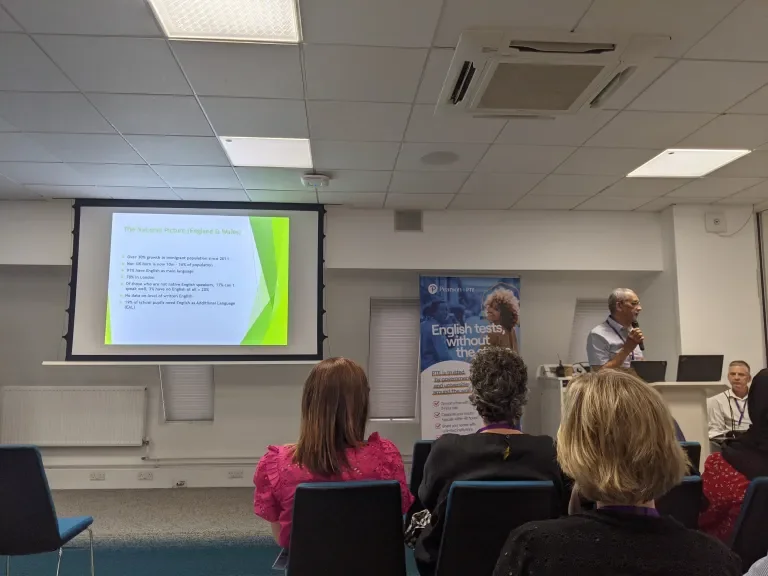
Reflections on the NATECLA Conference 2023
I had made up my mind to attend the NATECLA 2023 conference as soon as it was advertised. It would be my first real life NATECLA conference since COVID.
Conference reflections from a first timer
It is only recently that I have come into contact with NATECLA and attended a conference, but this experience has reignited my passion for the job as well my own development as an ESOL teacher.
As with anyone that works within education, due to the nature of the profession and of course time, we don’t often get the opportunity to pause, think, reflect or to step outside of our own bubble.
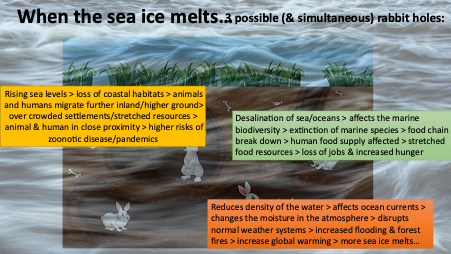
Sustainability in ESOL - A commitment to our planet
Over the last year, I have had the opportunity to deliver several workshops on Sustainability for NATECLA. It is by far the most pressing issue that we need to understand and action.

Hybrid Teaching & Learning: managing expectations
I think we can all agree that the past few years, since the occurrence of COVID-19, have been challenging for those of us teaching ESOL (English for Speakers of Other Languages).
The ESOL Global Learning project
This blog post gives a brief overview of the project. You can find a longer article by Seima Mahmood in the latest edition of the Language Issues journal.
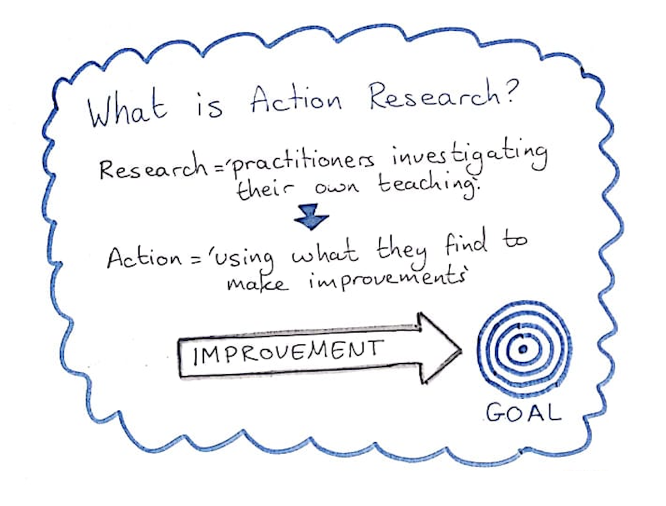
Mentor Musings (Part 1): ESOL, action research & OTLA 8
Initial thoughts from the NATECLA strand of the OTLA (Outstanding Teaching, Learning and Assessment) programme. Research lead and NATECLA co-chair Rachel Öner kicks off our blog series with a few questions for the three mentors: Emily Bryson, Cathy Clarkson and Chloë Hynes.
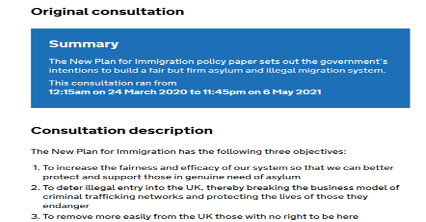
A New Plan for Immigration and a new found solidarity
This post is about the UK Government’s consultation on its New Plan for Immigration, my involvement in the consultation, and my reflection on that involvement.

Picture the scene: making sense of Functional Maths
How can I make maths and grammar come alive for my learners? How can I help them really understand what they read, especially instructions? As a teacher of ESOL and maths these are questions I ask myself on a weekly basis. Recently I tried something that shows real promise for answering both of them.

One year on: What can ESOL learn from the COVID-19 pandemic?
It has undeniably been a difficult year for everyone. The concept of inequity – that individuals face unequal levels of challenges – has never been clearer in the disproportionate impact of COVID-19 on some of the most vulnerable members of our society.

The Census, the Coronavirus and the ESOL Strategy
This post is about the census which came around recently on its 10-yearly journey, and how it interlinks with monolingualism, the Coronavirus pandemic, and the need for a national strategy for ESOL.