
Language Issues Blog
Exploring ideas, sharing perspectives, and giving ESOL professionals a platform to develop their voice and inspire debate.
About our blog
Language Issues Blog is NATECLA's space for ideas, reflection, and debate across the ESOL sector. It provides a platform for contributors to the Language Issues journal, as well as a welcoming place for new writers to develop their voice, share their experiences, and explore emerging ideas before committing to a more formal publication.
We encourage thought-provoking contributions that reflect the diversity of perspectives within our profession. The views expressed in blog posts are those of the individual authors and do not necessarily represent the views of NATECLA or the Language Issues Editorial Team. Our aim is to stimulate discussion, encourage critical thinking, and foster constructive dialogue across the sector.
Interested in contributing? We'd love to hear from you. To submit a blog post, please complete our submission form.
We also welcome discussion in the comments section. If you feel that a discussion has crossed a personal line or have concerns about any content, please contact NATECLA and we'll be happy to help.
Blog articles
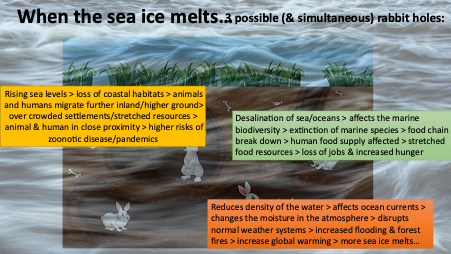
Sustainability in ESOL - A commitment to our planet
Over the last year, I have had the opportunity to deliver several workshops on Sustainability for NATECLA. It is by far the most pressing issue that we need to understand and action.
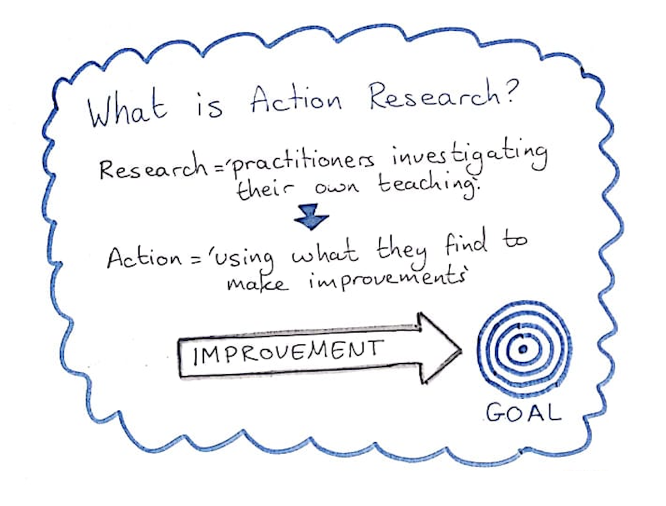
Mentor Musings (Part 1): ESOL, action research & OTLA 8
Initial thoughts from the NATECLA strand of the OTLA (Outstanding Teaching, Learning and Assessment) programme. Research lead and NATECLA co-chair Rachel Öner kicks off our blog series with a few questions for the three mentors: Emily Bryson, Cathy Clarkson and Chloë Hynes.

The Census, the Coronavirus and the ESOL Strategy
This post is about the census which came around recently on its 10-yearly journey, and how it interlinks with monolingualism, the Coronavirus pandemic, and the need for a national strategy for ESOL.
Research, Evidence and What it Means for Teachers.
One of the key features, and purposes of Language Issues is bridging the gap that can sometimes occur between the research community and teaching practitioners.