
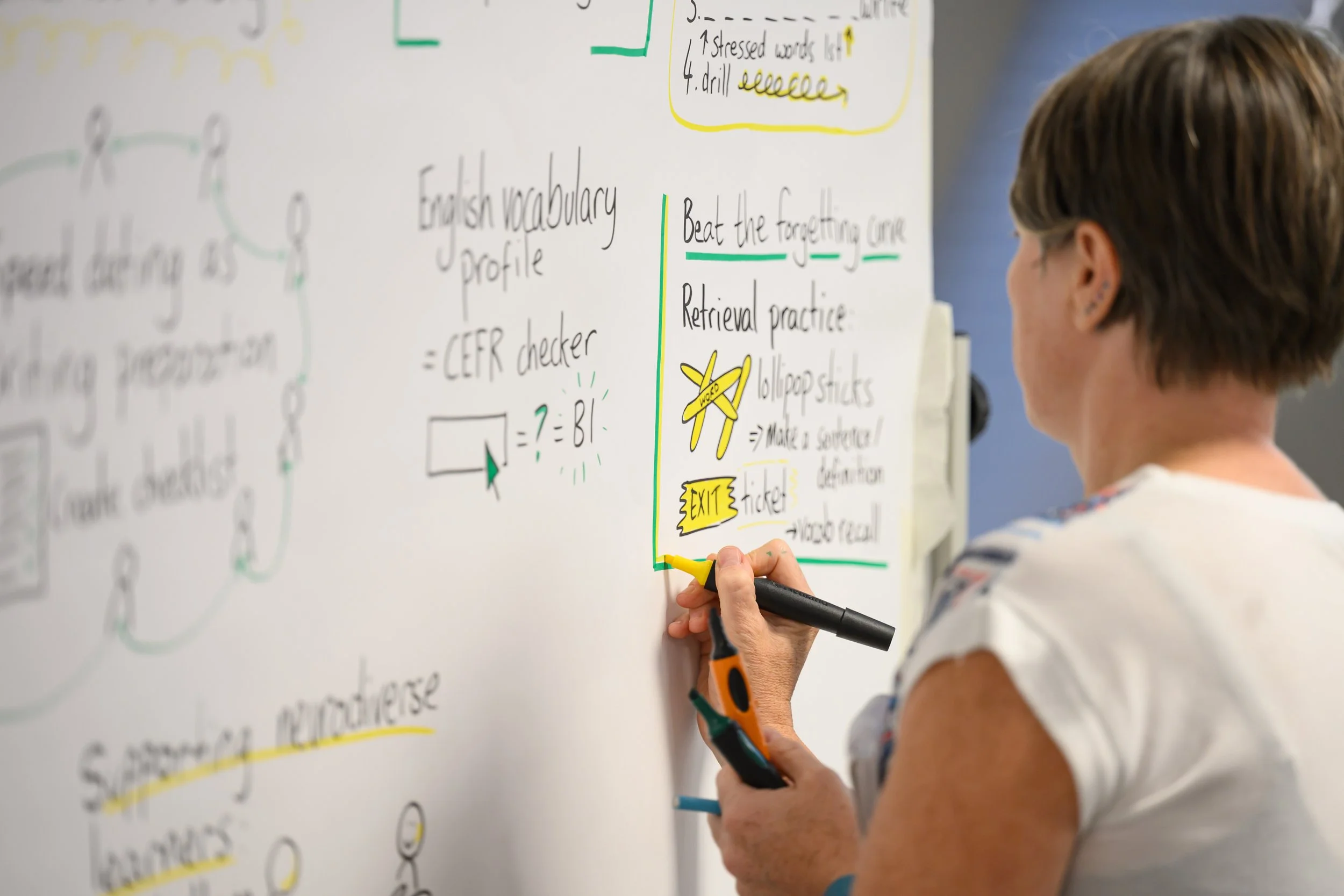
Language Issues Blog
Exploring ideas, sharing perspectives, and giving ESOL professionals a platform to develop their voice and inspire debate.
About our blog
The Language Issues blog is intended as a potential mouthpiece for contributors to the print journal, and to support new writers for the journal in developing their voice and their views before committing to something more formal.
As such, the articles here may express opinions which are not necessarily the views of NATECLA or of the Editorial Team at Language Issues, and is therefore a separate entity to both. Opinions remain those of the named authors, and are intended to stimulate and provoke discussion in the sector, and not to offend.
To contribute a piece to this blog, complete the following submission form or contact the blog editor, Diana Tremayne on ….
You can also respond with comments below the article for a discussion, but if you feel that any personal line has been crossed, please get in touch with NATECLA.
Blog articles
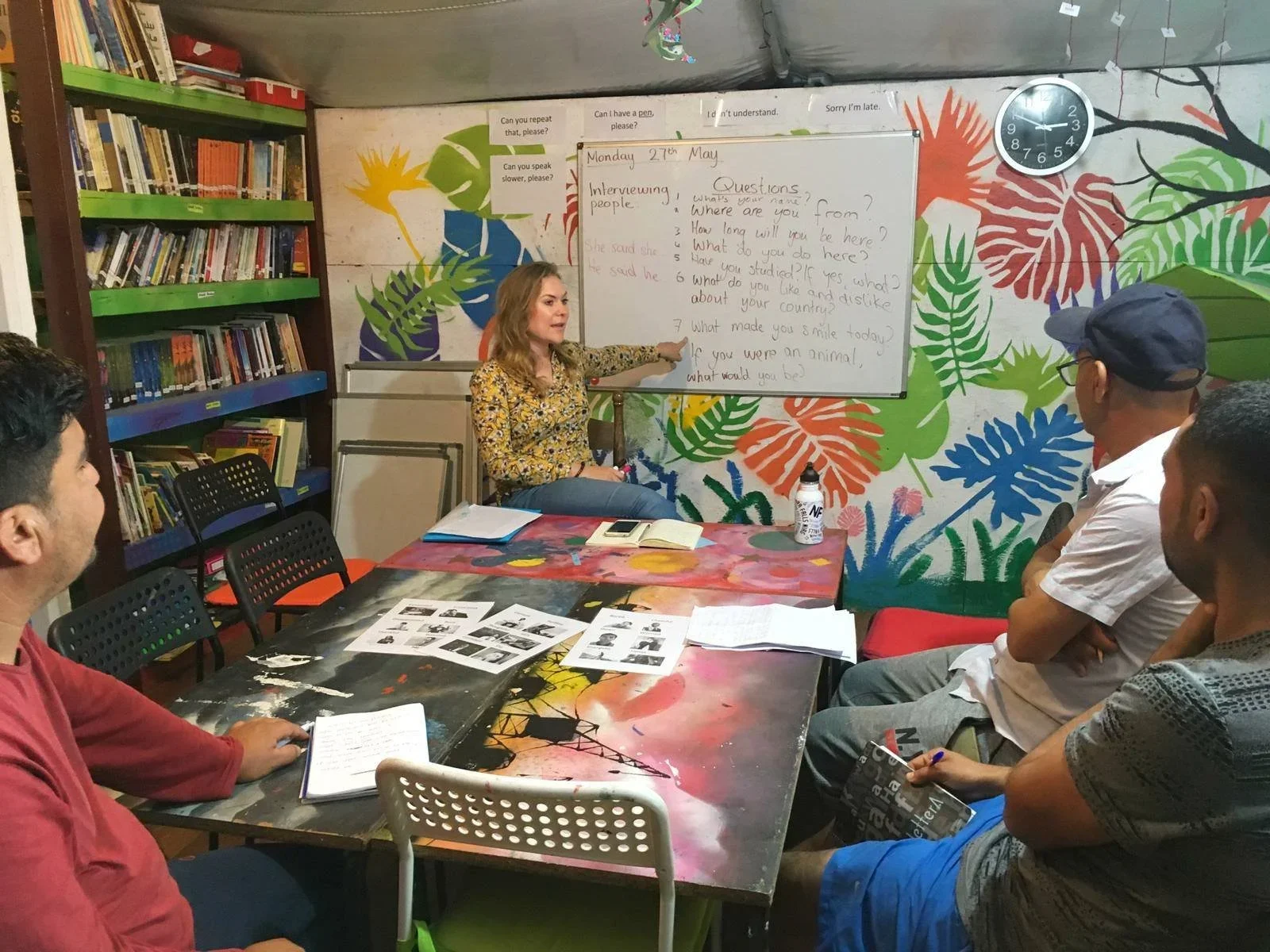
“Teachers are a bridge between learners and the community”: A cross-country comparison of teaching in refugee camp and asylum accommodation contexts
In this conversation, Ally Shepherd (NATECLA Yorkshire & Humber; IATEFL ESOL Matters Assistant Editor) reunites with her former colleagues, Jean and Julia, to discuss their experiences teaching learners from refugee backgrounds in the UK, Greece, Cyprus, and Jordan.
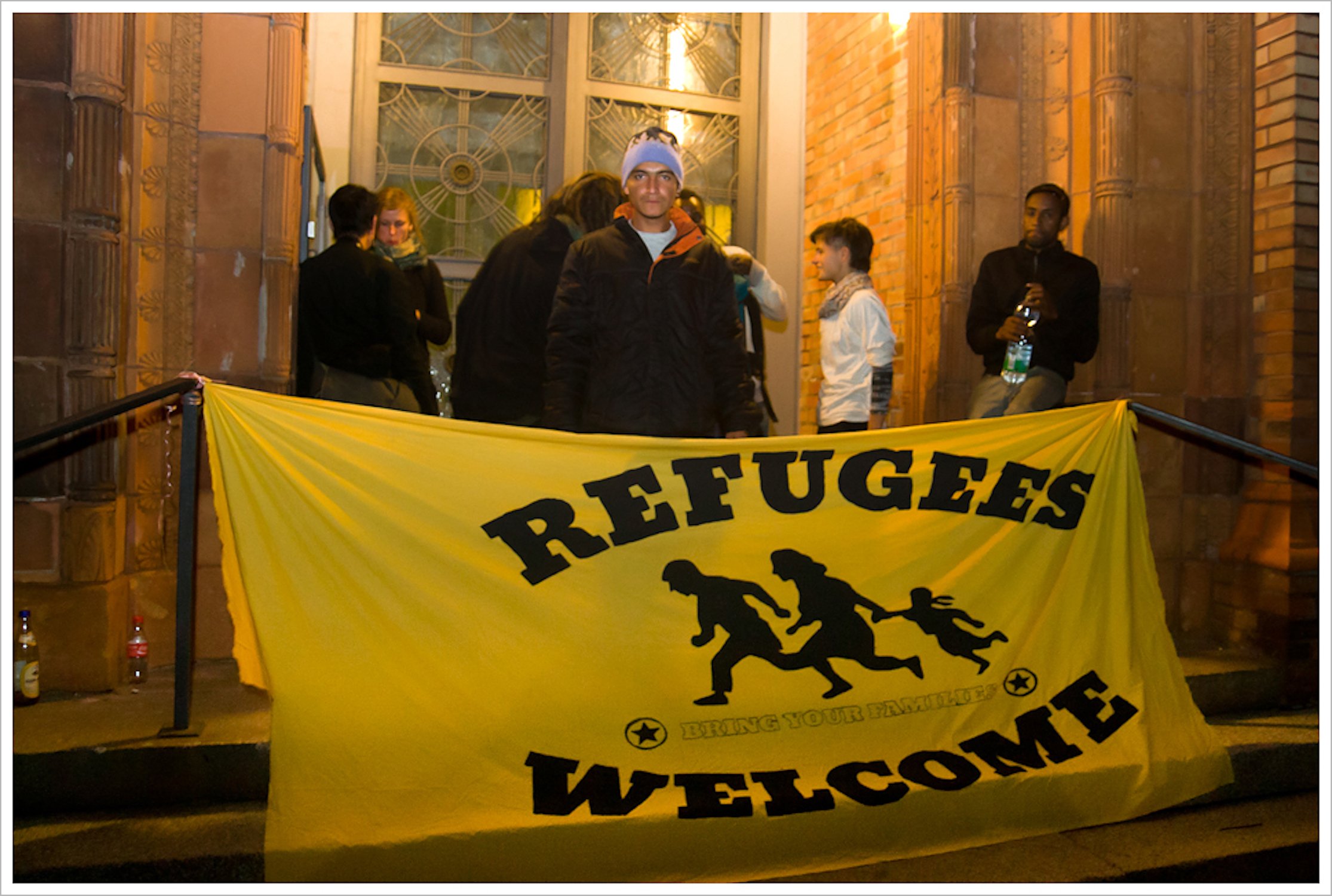
Northern Ireland's Violence Is Not About Refugees. It Is About Inequality, Insecurity and a Politics of Scapegoating
The recent anti-immigrant violence witnessed in parts of Northern Ireland has been widely presented as a response to concerns about asylum seekers, refugees, and immigration. Yet such explanations misunderstand both the nature of the unrest and the deeper social conditions that make these narratives attractive. The violence was not caused by refugees. Rather, it reflects a growing crisis of economic insecurity, social disillusionment, and political alienation that is increasingly being exploited by populist agitators who offer easy answers to complex problems.
Northern Ireland, ESOL provision and ‘(In)Visible Minorities’
The recent unprecedented riots in Dublin and the increase in racist attacks targetting migrant/refugee businesses throughout Northern Ireland (NI) show the rise of the far right and their opportunist stoking of anti-refugee/asylum sentiment and intimidation throughout the Island of Ireland due to ongoing geo-political events (Telford and Grandjean, 2023).
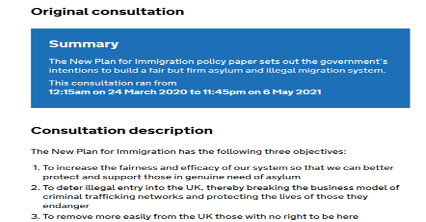
A New Plan for Immigration and a new found solidarity
This post is about the UK Government’s consultation on its New Plan for Immigration, my involvement in the consultation, and my reflection on that involvement.

The Census, the Coronavirus and the ESOL Strategy
This post is about the census which came around recently on its 10-yearly journey, and how it interlinks with monolingualism, the Coronavirus pandemic, and the need for a national strategy for ESOL.

ESOL for refugees: a toolkit for commissioners and practitioners
Back in pre-pandemic days, Migration Yorkshire staff spent early 2020 touring England, asking stakeholders in each region about good practice in commissioning and delivering ESOL for refugees.
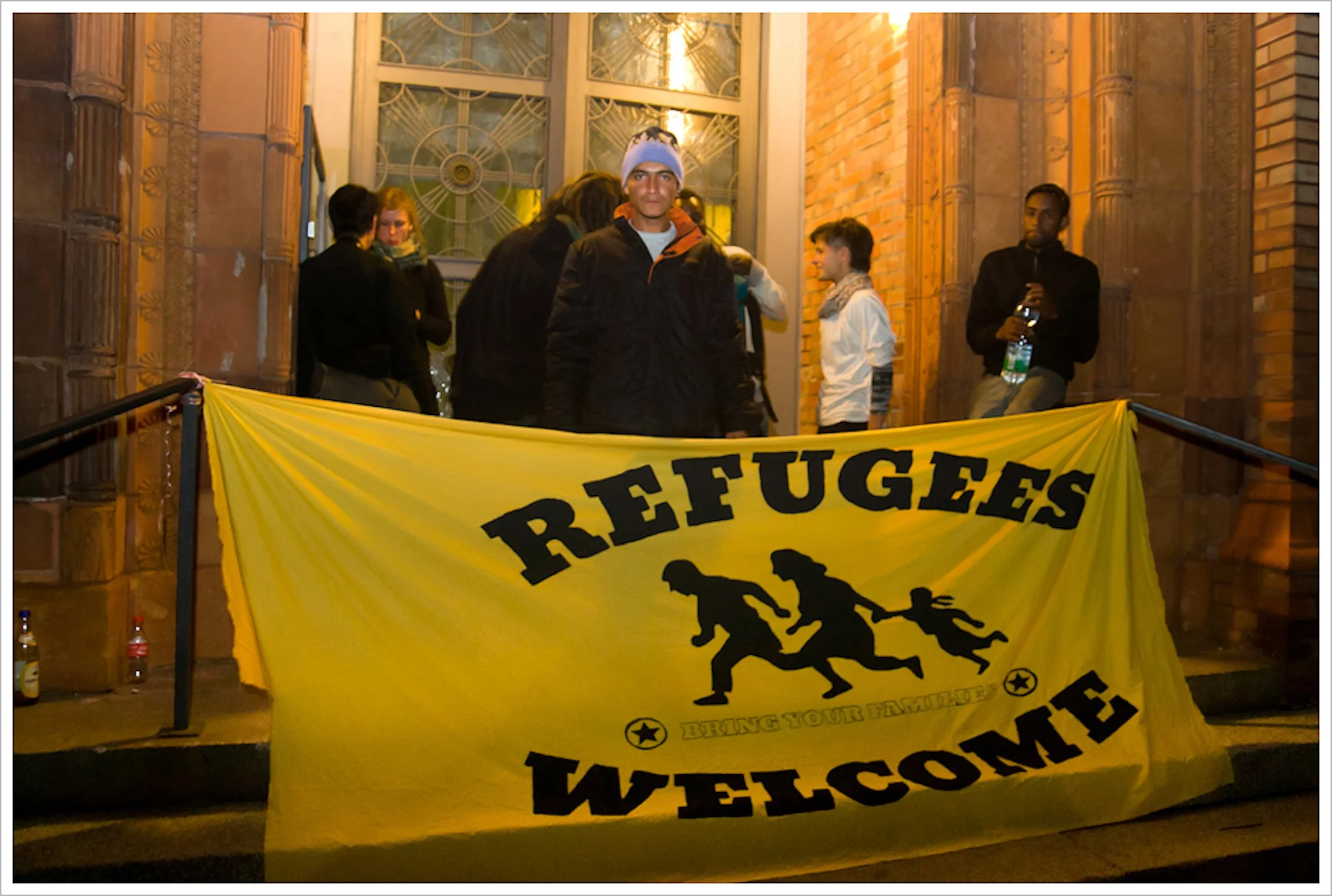
Northern Ireland’s Violence Is Not About Refugees. It Is About Inequality, Insecurity and a Politics of Scapegoating
The recent anti-immigrant violence witnessed in parts of Northern Ireland has been widely presented as a response to concerns about asylum seekers, refugees, and immigration. Yet such explanations misunderstand both the nature of the unrest and the deeper social conditions that make these narratives attractive.